Nature can tell us so much about ourselves. Hidden all around us, often in plain sight, are stories that tell us of our sociology, culture and how both have changed over the centuries. Little reminders of who we have been and how we’ve used the land. Winter is a great time to discover British Folklore. Don’t forget that nature is mostly still cosy and asleep this month, and so whilst the crisp winter walks can be lovely, when the weather is dreary you can still discover wonders about the wildlife and landscape whilst being cosy and warm this month.
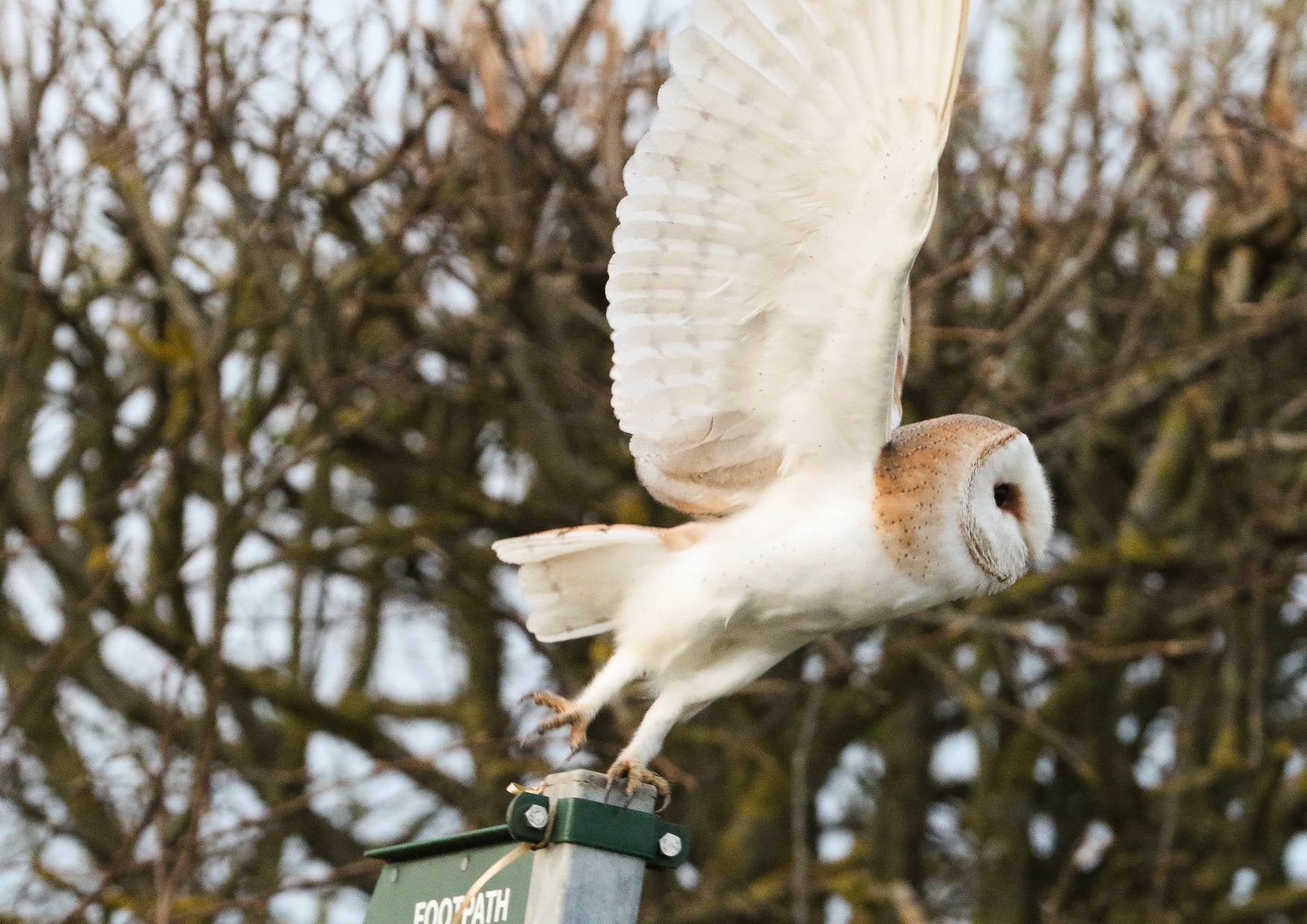
I’ve always been interested in folklore and am drawn to the mystical and fantastical. Much of British folklore includes dark spirits, evil witches and the countering light which I assume is mostly due to the cold and darkness of UK Autumn, Winter, and sometimes even Spring. Certainly, in medieval times, mysterious illnesses could only be explained through such stories. Throughout our history, the British have been desperate to recognise and banish the dark and spooky and celebrate signs of life, warmth and light. Rabbits were lucky due to pagan beliefs of being connected to the Earth, meanwhile bats became associated with dark forces as they would forage around bonfires in the autumn, appearing to come out of the fire itself. Owls, both wise and knowing also became accidental ghosts as they foraged at twilight around graveyards
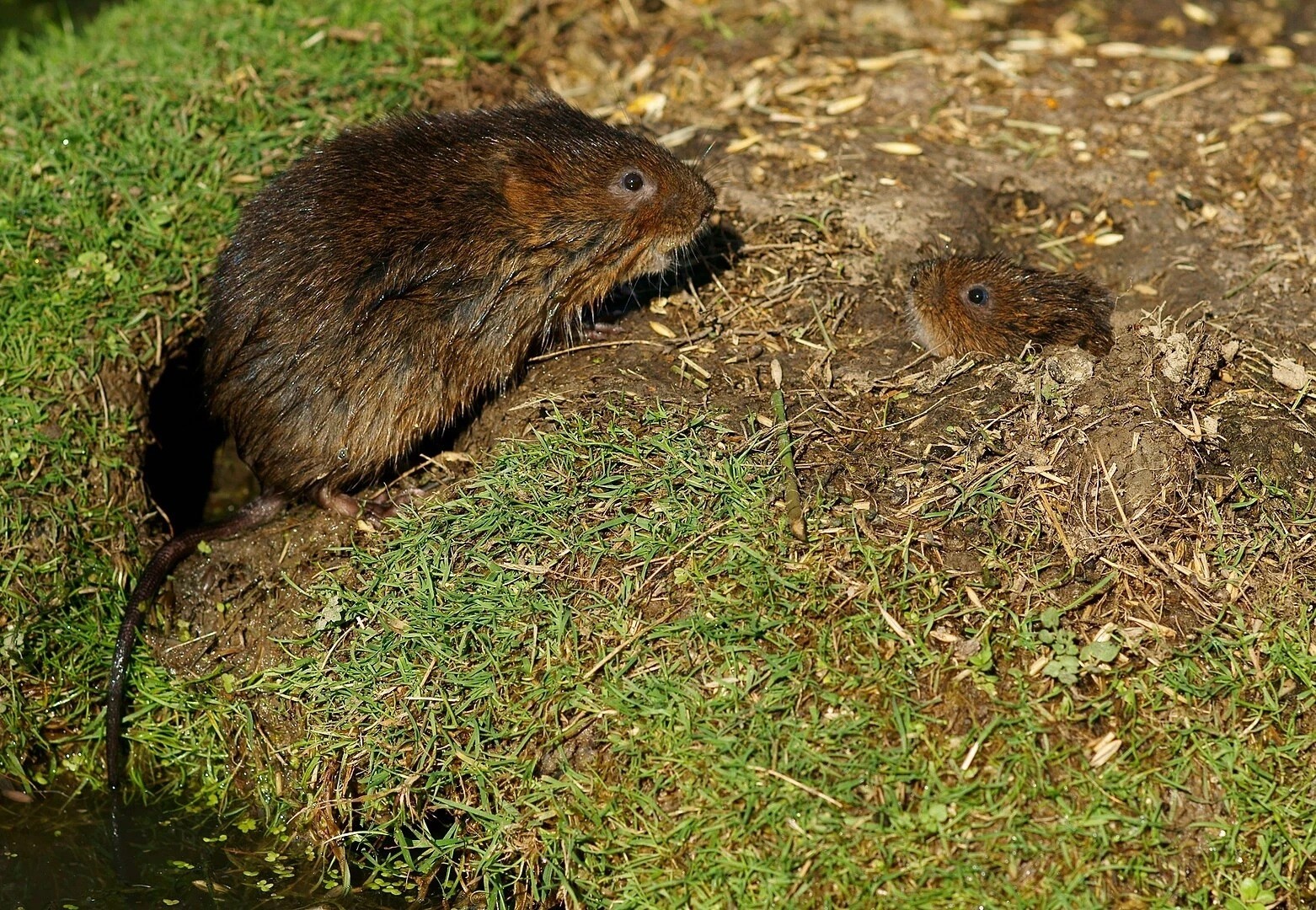
A long time ago the graves in churchyards used to be dug and left empty and uncovered over-night, ready for the ceremony the next day. These big holes in the ground with steep, smooth sides, meant they were excellent pit-fall traps for unsuspecting mice and voles. The owls would then see the rodent, scurrying about in the bottom, unable to climb out - a tasty treat! The owl would swoop down and go hunting…however, unable to be seen clearly, the pale, winged shape flying up from the open graves in the dying light gave rise to the classic ghost shape.
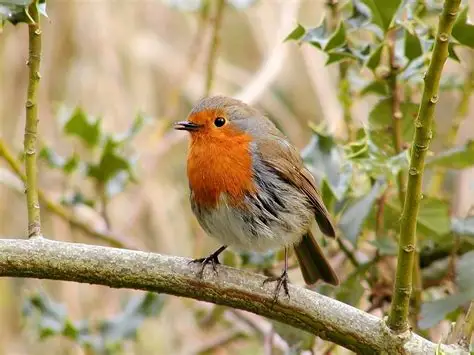
Spring and Winter are especially rife with folklore, with many spring flowers becoming symbols of luck, fertility, and prosperity. Winter, too, has its quiet talismans, and one of the most endearing is the European robin (Erithacus rubecula), a familiar presence in our gardens even at this time of year. Unlike many birds, robins remain fiercely territorial through winter, singing even on the shortest, darkest days, which led to the belief that they were guardians of the home and bring hope. The robin was often seen as a spirit bird, carrying messages between the living and the dead, its bright red breast thought to be stained either by Christ’s blood or by fire from the sun itself. To harm a robin was considered deeply unlucky, a superstition strong enough to persist well into the Victorian era. During winter, when most signs of life retreat or fall silent, the robin’s song and flash of colour became a symbol of endurance and quiet resilience — a reminder that light and warmth had not vanished entirely, merely taken refuge at this time of year.
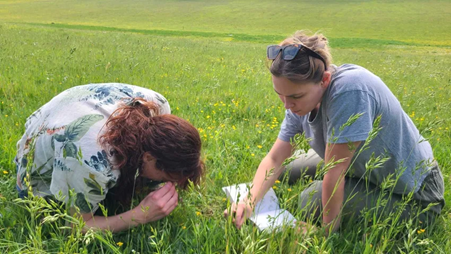
Robins aren't all you can see in January. The sleeping trees, birds and squirrels foraging, footprints in the frost, maybe the flash of a stoat or fox's tail...all have stories to tell. Actually looking at what we’re walking past and then talking about it, really taking it in, slows us down, allowing us to focus on what we’re seeing. The stories and folklore of these species provides us with a tool to do this - something to focus on, discuss and enjoy. I find doing this allows me to be present in the landscape rather than running through to-do lists or the everyday worries that we often carry with us on our walks.
“It’s amazing how much is here, even in the pavement, that I’ve never noticed before.” - wildlife wander participant
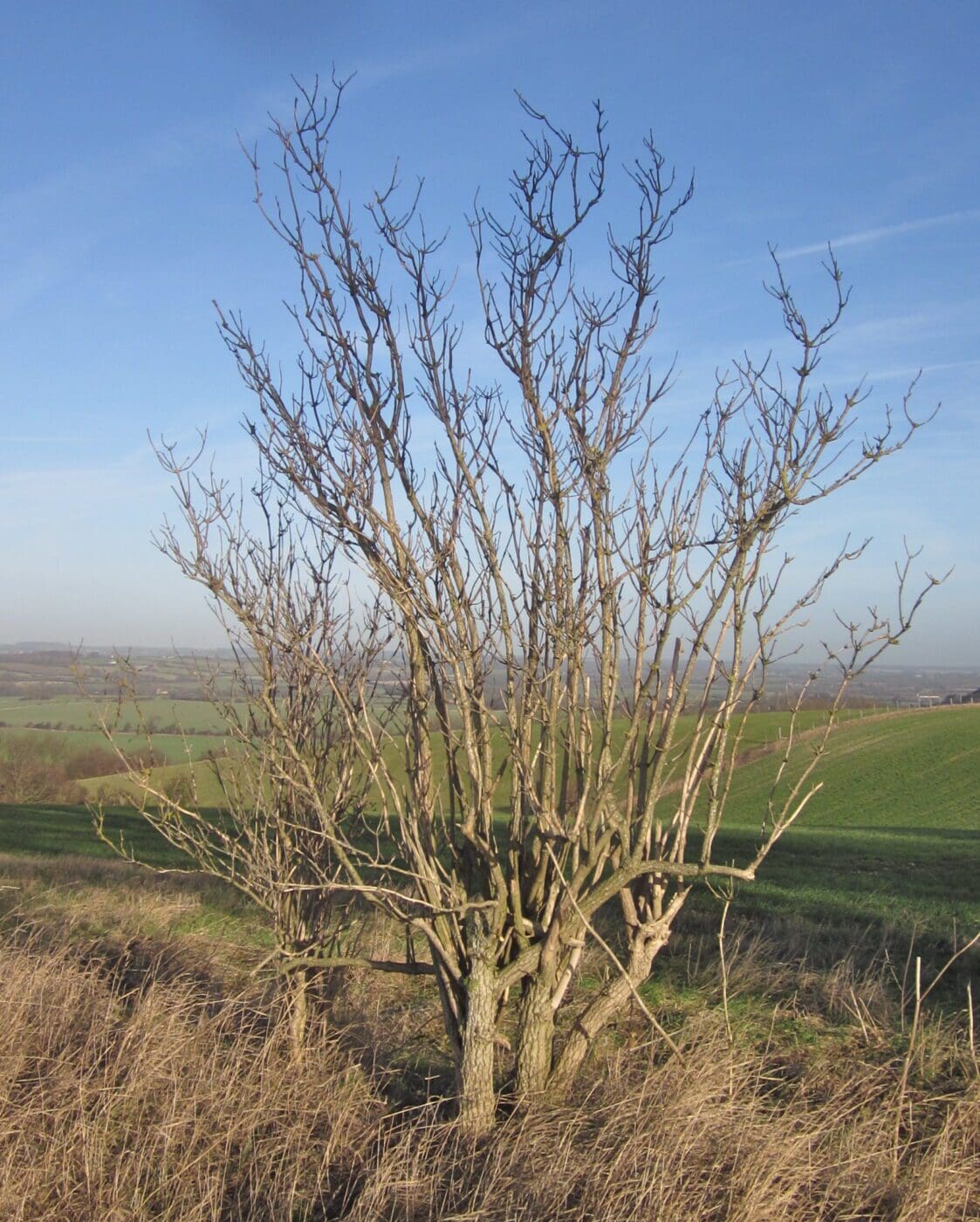
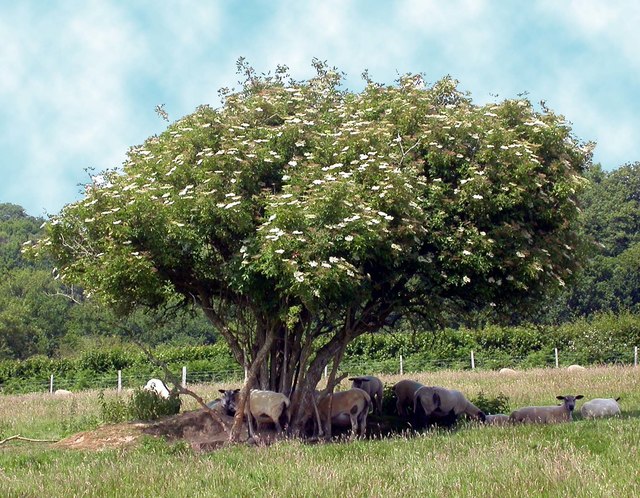
Native trees like the elder tree (Sambucus nigra), common across Britain, have long been wrapped in folklore as a guardian of the home and a plant not to be cut without permission, believed to house protective spirits. Learning to recognise elder (once valued for its medicinal flowers and berries) and other native species, offers not just practical knowledge, but a sense of connection to the stories and landscapes that have shaped British relationships with the wild, and of course, there’s the chance to try elderberry jam or elderflower cordial later this year - after all, trees stay where you found them.
The stories and traditional uses of wildlife also help connect us with each other – acting as a discussion point or memories triggered “our so-and-so used to use that!” or “I remember doing that as a child.” I often get asked when introducing a plant “can it be eaten?” This question opens the door to discussions and stories such as those surrounding the hawthorn (Crataegus monogyna). I particularly enjoy the folklore that surround this humble and familiar shrub because of all the symbolism and meanings that can even contradict one another.
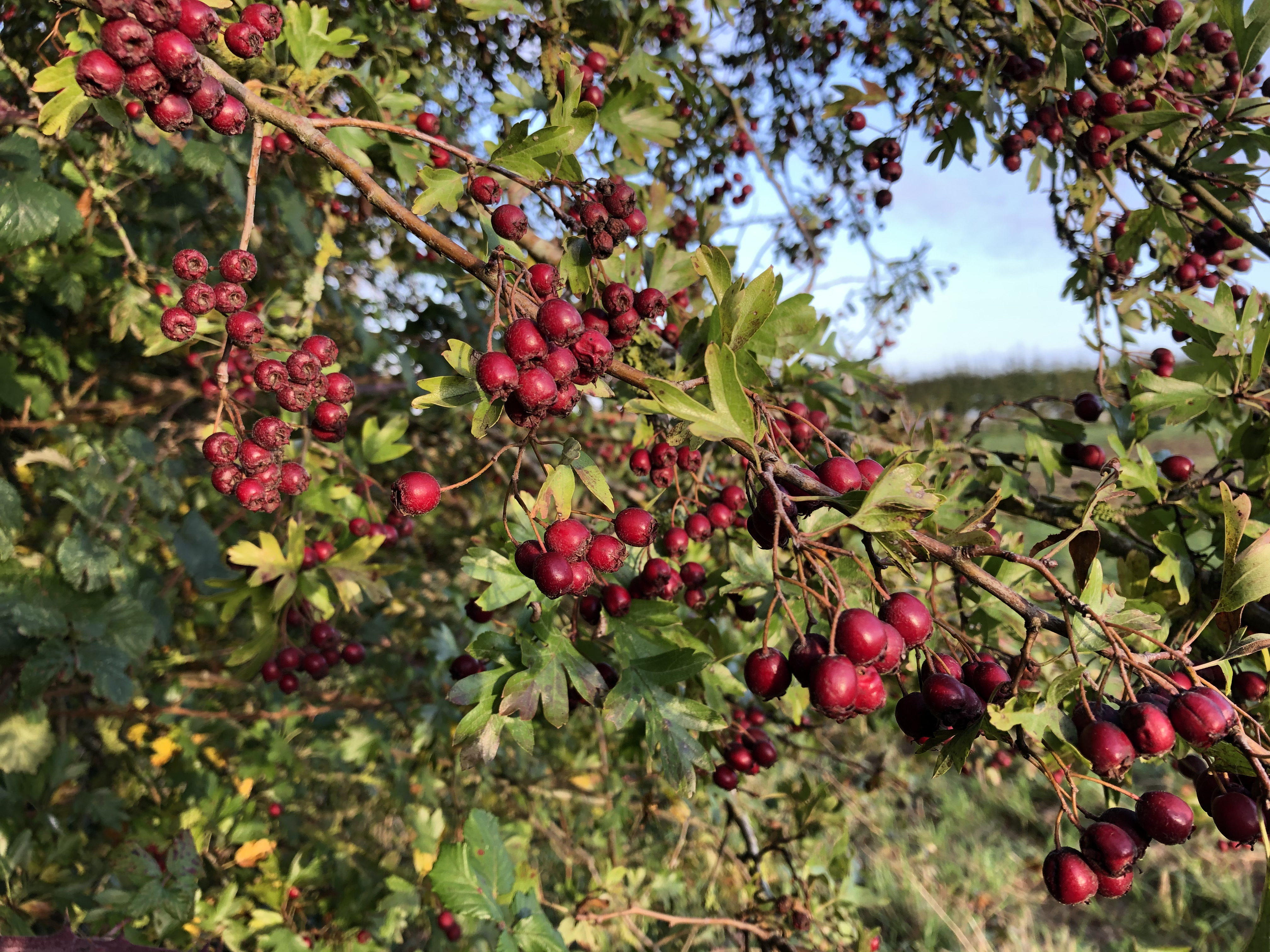
The leaves and berries have long been used as food and medicine, the thorns protect wildlife and even keep livestock safely in their fields, and the blossoms symbolise May and the Springtime. A provider and protector, a symbol of protection and prosperity; the Green Man is made up either hawthorn or oak leaves for this reason. Yet, it was unlucky to bring hawthorn indoors, possibly due to the odd smell of decay which became associated with death. Whilst the hawthorn is a staple hedge plant, abundant and common-place in the Oxfordshire landscape, we rarely use the leaves and berries – if at all – and a quick google will warn you of consuming too many of the seeds – yet its leaves and berries have long been used in food and medicine across Europe, and, in other cultures, the berries are still foraged. On one of my wildlife wanders, a lady recognised the hawthorn and asked me “do you eat it?” When I replied, no not really, we leave it for wildlife, we spent a few excited minutes crowded around her phone as she double checked if it was indeed the plant she recognised from her country and concluded “It is! I really love it!”

From what I have seen, the tales and knowledge of plant usage (forgotten, discarded or current) can build confidence in the outdoors for those who have not grown up in wellies, scrambling through thick undergrowth searching for creatures, or even for those who have grown up outside of the UK. On one of my wildlife wanders, I had just finished explaining the myths and tales that surround the ragwort – the witch’s flower, enabling malevolent fairies to fly, and with a mild toxin to people that bites back when we try to pull it up with bare skin yet, the foodplant for the cinnabar moth caterpillar – one of the children I was with immediately started enacting a witch on a broom, flying round and around the ragwort laughing and then commented on how pretty the flowers were and how safe the caterpillars must be. Later on, he immediately recognised the plant at the end of the walk, excited to see something he knew and eagerly ran over to it to tell us what it was.
I would really encourage people to find out about the stories behind their local wildlife. The way I do this is not clever or sophisticated. I just love sharing the wonder of the world around me and learning from others. I sometimes worry that people think that working for a Wildlife Charity must mean that I have clever hacks or some inherent skills or knowledge, but the truth is far from that. I use apps, books and a trusty google. My favourite website to use for mythology about our trees is The Woodland Trust because of its quick and accessible layout.
So next time you’re on a walk, what lost legends might you discover, reasons for traditions you’ve never realised but have always done anyway. Did you put holly and ivy up at Christmas? Did you have a Christmas tree? If so, have you ever looked up why? I encourage you to do so. To coin a phrase from Pixar’s movie ‘Up’, “Adventure is out there!” I wish you well on your quest and hope this helps you find even more joy and fascination in the extraordinary world around us. Together for nature as always…
Have a go! Here are some places that can get you started on your journey.
Apps to identify what you find:
Folklore:
Equally, if you know of any great resources please do let me know! I am always willing to learn more so feel free to get in touch


.jpg)
.JPG)